

“trustees cannot take sustainability for granted.”
Referendum
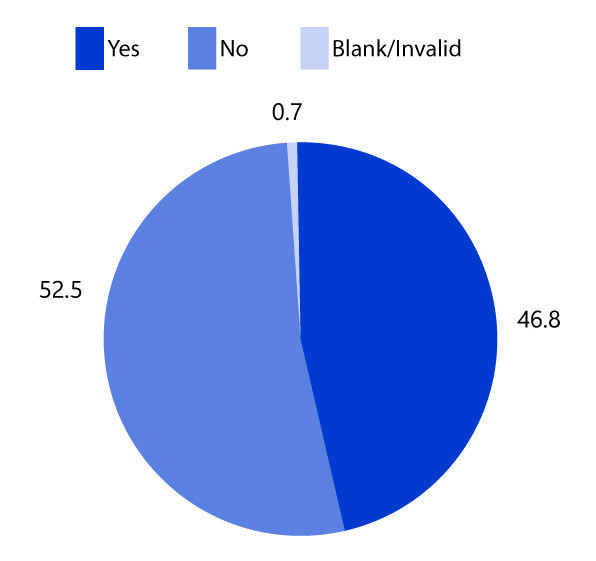
With a split reminiscent of Brexit, Iceland narrowly voted (on 29 August 2026), against joining the EU, with Prime Minister Kristrún Frostadóttir (pictured) indicating that the issue would not be revisited whilst her party remained in power.

Incorporation of EU law will therefore remain a discretionary exercise for the Icelandic parliament (interestingly, the oldest in the world). This is not just a euphemism for blanket rejection: for example, Iceland had already chosen to adopt the EU Sustainable Finance Disclosure Regulation (SFDR) (Regulation (EU) 2019/2088), but not yet its companion piece on how to make the disclosures.
Iceland’s EU referendum results
Votes cast: 225,031
What is SFDR?
The Sustainable Finance Disclosure Regulation sets out rules for communicating the sustainable nature of investments. The goal of the directive was to stamp out “greenwashing”, meaning sustainability claims that were window-dressing only.
It required the labelling of investment funds according to the following categories.
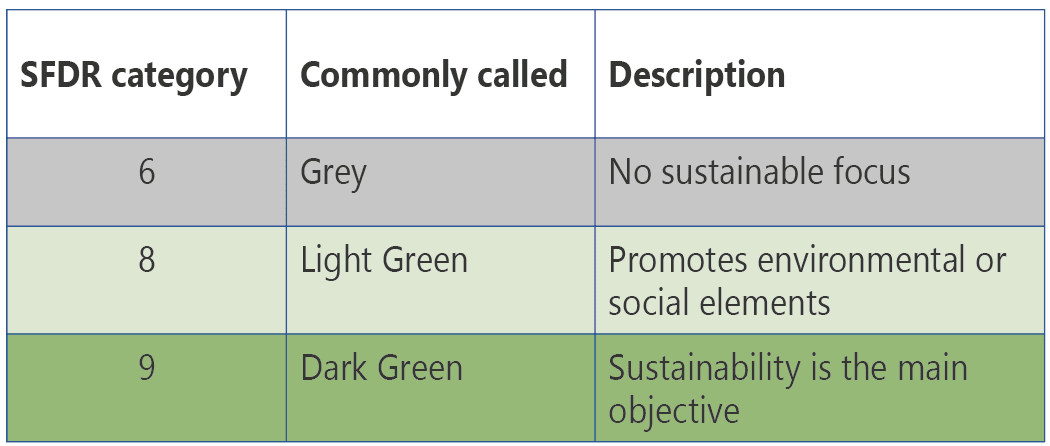
This had the desired effect, but there was a significant cost associated with disclosures relating to the Light and Dark Green categories; so many funds, that would otherwise have qualified for the sustainability badges, chose not to bother. Investors were therefore asked to do a bit of due diligence themselves if they wanted some clarity on funds that were genuinely “sustainable”. This includes workplace pension scheme investments.
Workplace pensions
Iceland introduced mandatory workplace pensions in 2023, and Guernsey followed a year later. It is also now back on the political agenda in Jersey. As yet, there is no statutory requirement to provide a workplace pension in the Isle of Man.
Neither Guernsey’s nor Iceland’s pensions have sustainability disclosures anything like those in the UK (driven by the Task Force on Climate-related Financial Disclosures). Sustainable investment is therefore driven from different quarters such as pension fund initiatives.
For example, in Iceland, the LSR (which is the pension fund for State employees), has sustainability and climate change as part of its investment policy.
In Guernsey, the Blue Riband occupational plan has ESG and sustainable investment as the backbone of its default strategy. Guernsey also benefits from industry collaborations, eg the Guernsey Association of Pension Providers’ ESG framework.
Caveat emptor
It is clear that jurisdictions do not have to be a part of the EU to benefit from its push for action on sustainability in pension investment. However, jurisdictions outside the EU are also not obliged to take notice. The consequence is that employers and trustees cannot take sustainability for granted.
Given the significant impact that climate change may have on investment risk and returns, some professional advice may be invaluable in making informed choices.
Iceland and sustainable investment